

Navigating Japanese television requires understanding its unique scheduling, diverse networks, and program types – from news to dramas and exciting sports like the AFC U-20 Asian Cup.
Accessing program guides, whether through official websites, magazines, or online listings, is crucial for viewers seeking immersive language learning and cultural experiences;
The Appeal of Japanese Television
Japanese television offers a captivating window into the nation’s culture, extending far beyond anime and offering a broad spectrum of content. Unlike the highly-targeted content often found on platforms like YouTube, Japanese TV generally caters to a wider audience, providing a more immersive experience for language learners.
The structured, time-based programming – news in the mornings, dramas during the day – mirrors familiar patterns in Western television, making it surprisingly accessible. For those dedicated to language acquisition, watching general audience TV proves beneficial, offering exposure to everyday speech and cultural nuances.
Furthermore, understanding the programming allows viewers to actively engage with the content, utilizing resources like Kanji cheat sheets for remotes and online communities like r/LearnJapanese for recommendations and support.
Understanding the Japanese TV Landscape
The Japanese television landscape is characterized by a structured, time-based approach to programming. Mornings typically feature news broadcasts across all channels, followed by daytime dramas often aimed at homemakers. This contrasts with the more fragmented content available online.
Several major networks dominate the airwaves, including NHK, Nippon TV, TBS, Fuji Television, TV Asahi, and TV Tokyo, each offering a distinct lineup of programs. Accessing schedules is key, and can be done through official network websites or dedicated TV listing resources.
While the number of channels is fewer compared to the US, the consistent scheduling provides a predictable viewing experience. Resources like Reddit’s r/japanlife offer insights into these patterns, helping viewers navigate the system effectively.

Major Japanese TV Networks
Japan’s broadcasting is led by key players: NHK, Nippon TV, TBS, Fuji Television, TV Asahi, and TV Tokyo, each delivering unique content to viewers.
NHK (Japan Broadcasting Corporation)
NHK stands as Japan’s public broadcaster, a cornerstone of the nation’s television landscape. Unlike commercial networks, NHK is funded by viewer fees, allowing it to prioritize public service programming. This includes comprehensive news coverage, educational shows, and culturally significant dramas and documentaries.
NHK operates multiple channels, encompassing both general entertainment and specialized content. Its programming caters to a broad audience, offering something for all ages and interests. NHK World-Japan provides international broadcasts in English, offering a gateway to Japanese culture and current events for global viewers. They also cover major sporting events, contributing significantly to national broadcasts.
Furthermore, NHK’s commitment extends to disaster preparedness, providing vital information during emergencies; It’s a vital resource for understanding Japanese society and culture through its diverse and informative programming.
Nippon TV
Nippon TV is a leading commercial broadcaster in Japan, renowned for its innovative and popular programming. It distinguishes itself through a diverse lineup, encompassing news, dramas, variety shows, and anime, appealing to a wide demographic. The network frequently produces high-quality dramas, often achieving significant ratings and cultural impact.
Nippon TV is also a major exporter of television formats, successfully adapting and licensing shows internationally. Their variety shows are particularly well-known for their energetic and often quirky entertainment value. They actively compete with other major networks like TBS and Fuji Television for viewership and advertising revenue;
Moreover, Nippon TV invests heavily in technological advancements, ensuring high production values and engaging viewing experiences. It remains a key player in shaping Japan’s television culture.
TBS Television
TBS Television, officially known as Tokyo Broadcasting System Television, Inc;, is a major Japanese television network with a strong presence in the industry. It’s recognized for its comprehensive news coverage, particularly its morning and evening news programs, providing timely information to viewers across Japan.
TBS also excels in drama production, frequently airing popular dorama series that capture the nation’s attention. Beyond news and dramas, the network offers a variety of entertainment programs, including engaging variety shows and live sports broadcasts. Like other networks, TBS follows a time-based programming structure.
Furthermore, TBS is known for its commitment to quality programming and its ability to adapt to changing viewer preferences, maintaining its position as a leading broadcaster.
Fuji Television
Fuji Television, formally known as Fuji Television Network, Inc., stands as one of Japan’s most influential television networks. It’s renowned for its diverse programming, encompassing news, dramas, variety shows, and sports coverage, appealing to a broad audience demographic. Like other major networks, Fuji Television adheres to a time-based programming schedule.
The network is particularly celebrated for its high-quality dramas (dorama), often setting trends in the industry. Fuji Television also delivers comprehensive news broadcasts, keeping viewers informed about current events. It’s a key player in broadcasting general audience television.
Moreover, Fuji Television actively explores new content formats and technologies, adapting to the evolving media landscape and maintaining its competitive edge in the Japanese television market.
TV Asahi
TV Asahi is a prominent Japanese television network known for its distinctive programming style and strong focus on news and investigative journalism. It distinguishes itself with a commitment to delivering in-depth reporting and analysis, attracting a dedicated viewership. Like other Japanese broadcasters, TV Asahi operates on a largely time-based schedule.
The network also produces a variety of dramas and entertainment shows, though it often leans towards more serious or thought-provoking content. It’s a significant provider of general audience television, offering a different perspective compared to some of its competitors.
TV Asahi’s programming caters to a wide range of interests, making it a valuable resource for those seeking to understand Japanese culture and current affairs.
TV Tokyo
TV Tokyo stands out as a unique network within the Japanese television landscape, often characterized by its diverse and somewhat unconventional programming choices. While it broadcasts news, it’s particularly recognized for its anime, variety shows, and specialized content catering to niche interests.
Unlike some of the larger networks, TV Tokyo frequently experiments with different formats and targets specific demographics, resulting in a schedule that can be surprisingly varied. This makes it an interesting channel for viewers looking beyond mainstream entertainment.
The network’s programming reflects a willingness to take risks and explore new ideas, contributing to its distinct identity within the competitive Japanese television market.

Types of Japanese TV Programs
Japanese television offers a broad spectrum of content, including news, captivating dramas (dorama), lively variety shows, popular anime, and thrilling sports broadcasts.
News Programs (Morning & Evening)
Japanese news programming adheres to a fairly rigid schedule, with dedicated blocks in the mornings and evenings across nearly all major channels. This consistent timing is a key characteristic of the Japanese TV landscape, mirroring similar practices in US broadcast television.
Morning news programs typically focus on delivering the latest headlines, weather updates, and traffic information to commuters. Evening news casts provide more in-depth coverage of the day’s events, often including political analysis and international reports. These programs are a staple of Japanese television, offering a consistent source of information for viewers.
The format often includes a mix of studio anchors, field reporters, and pre-recorded segments. While language can be challenging for learners, news programs offer exposure to formal speech patterns and current events vocabulary.
Japanese Dramas (Dorama)
Japanese dramas, known as dorama, are a hugely popular genre on Japanese television, often scheduled during midday hours, potentially targeting a daytime audience like housewives. They cover a wide range of themes, from romance and family life to workplace dynamics and historical events.
Dorama frequently feature compelling storylines, relatable characters, and high production values. Many are limited-run series, typically lasting around 10-12 episodes, creating a sense of focused narrative. They are a fantastic resource for language learners, offering exposure to everyday conversations and cultural nuances.
Compared to the overwhelming content available on Japanese YouTube, television dorama cater to a broader audience, aiding immersion and providing a more general cultural context.
Variety Shows (Variety-ka)
Japanese variety shows, called variety-ka, are a staple of the television landscape, offering a dynamic mix of comedy, games, interviews, and challenges. These programs often feature celebrity guests and aim for broad appeal, making them a common sight across various channels.
Unlike the more focused narratives of dramas, variety shows are typically fast-paced and unpredictable, showcasing a diverse range of segments. They provide a window into Japanese humor and entertainment sensibilities, offering valuable cultural insights.
For language learners, variety-ka present a challenge due to the rapid speech and colloquialisms, but also a rewarding opportunity to improve listening comprehension and grasp natural expressions. They represent a significant portion of general audience TV.
Anime Programming
Japan is globally renowned for its anime, and television broadcasts remain a vital platform for new and classic series. Networks dedicate specific time slots to anime programming, catering to a wide demographic, from children to adults.
Popular shows often air during prime time or late-night blocks, attracting a dedicated fanbase; These broadcasts frequently coincide with ongoing manga releases, creating a synergistic relationship between the two mediums.
While streaming services offer extensive anime libraries, watching on Japanese television provides a unique cultural experience and exposure to commercials and program introductions tailored for a domestic audience. It’s a key component of the overall TV experience.
Sports Broadcasts (Including AFC U-20 Asian Cup)
Japanese television provides extensive coverage of both domestic and international sports events. Baseball, sumo wrestling, and soccer are particularly popular, with dedicated programs analyzing matches and showcasing athlete profiles.
Major tournaments, like the AFC U-20 Asian Cup, receive significant airtime on networks like Nippon TV and TV Asahi. These broadcasts often include pre- and post-game analysis, interviews, and highlights packages.
Viewing sports on Japanese TV offers a unique perspective, with commentary and presentation styles distinct from Western broadcasts. It’s a fantastic way to experience the passion and enthusiasm surrounding sports in Japan, and immerse yourself in the culture;

Accessing Japanese TV Program Guides

Finding schedules is easy via official network websites, TV guide magazines (both print and digital), and dedicated online listings – a key step for viewers!
Official Network Websites
Each major Japanese television network – NHK, Nippon TV, TBS, Fuji Television, TV Asahi, and TV Tokyo – maintains a comprehensive website. These sites are the primary source for the most accurate and up-to-date program schedules;
Typically, these websites feature detailed listings, often presented in a grid format, showing programs airing across all their channels. While navigating can be challenging for those unfamiliar with Japanese, most sites offer a search function.
Users can often filter by genre, time slot, or specific programs. Some networks even provide brief synopses of upcoming shows. For those seeking to immerse themselves, attempting to decipher these schedules is a valuable exercise in language learning and cultural understanding.
TV Guide Magazines (Print & Digital)
Traditional TV guide magazines remain popular in Japan, offering a tactile and curated viewing experience. These publications present weekly program schedules for all major networks, often with detailed descriptions and articles about upcoming shows and personalities.
Increasingly, digital versions of these magazines are available, providing the convenience of online access. They often include interactive features, such as clickable program listings that link to further information.
While primarily in Japanese, these magazines can be a useful resource for dedicated viewers. They offer a broader overview of the week’s programming than individual network websites, and can aid in discovering new shows.
Online TV Listings Websites
Numerous Japanese websites specialize in comprehensive TV listings, offering detailed schedules for all major networks. These platforms typically allow users to search by channel, time slot, or program genre, making it easy to find specific content.
Many sites present program information in Japanese, requiring some language proficiency to navigate effectively. However, they are invaluable for those committed to immersing themselves in Japanese media.
These websites often include synopses, cast information, and even user reviews, providing a richer viewing experience. They represent a convenient alternative to print magazines, offering up-to-date schedules and easy accessibility.
Program Schedule Pages of Specific Channels
Each Japanese television network maintains a dedicated program schedule page on its official website. These pages offer the most accurate and detailed information regarding upcoming broadcasts, often presented in a weekly or daily format.

While primarily in Japanese, these schedules are a direct source for confirming program times and titles. They are particularly useful for planning viewing sessions around specific shows or events, like following the AFC U-20 Asian Cup.
Directly accessing these channel-specific pages bypasses the need for third-party listings, ensuring reliability. Though language skills are beneficial, visual cues and time displays can aid comprehension.

Navigating Japanese TV Schedules
Japanese TV schedules often follow time-based blocks, with news in the mornings, dramas during the day, and varied programming throughout, mirroring US broadcast patterns.
Time-Based Programming Blocks
Japanese television adheres to distinct programming blocks throughout the day, creating a predictable viewing experience. Mornings are typically dominated by news broadcasts across all major channels, providing viewers with current events and information.
Midday often features daytime dramas, frequently targeted towards a homemaker audience, offering engaging storylines and relatable characters. As the day progresses, variety shows and entertainment programs take center stage, catering to a broader demographic.
Evening hours are reserved for primetime news, followed by popular dramas and a diverse range of entertainment options. This structured approach allows viewers to easily anticipate and plan their viewing habits, aligning with established television traditions.
Targeted Programming (e.g., Daytime Dramas)
Japanese television excels at creating programming tailored to specific demographics. A prime example is the prevalence of daytime dramas, often referred to as “dorama,” specifically designed for a homemaker audience. These programs frequently explore themes of family, relationships, and everyday life, resonating with their target viewers.
Beyond daytime dramas, networks strategically schedule content to appeal to different segments of the population. News programs cater to a broad audience, while late-night shows might target younger viewers.
This targeted approach ensures that a wide range of interests are addressed, maximizing viewership and maintaining the relevance of Japanese television in a competitive media landscape.
Understanding Channel Numbers & Remotes
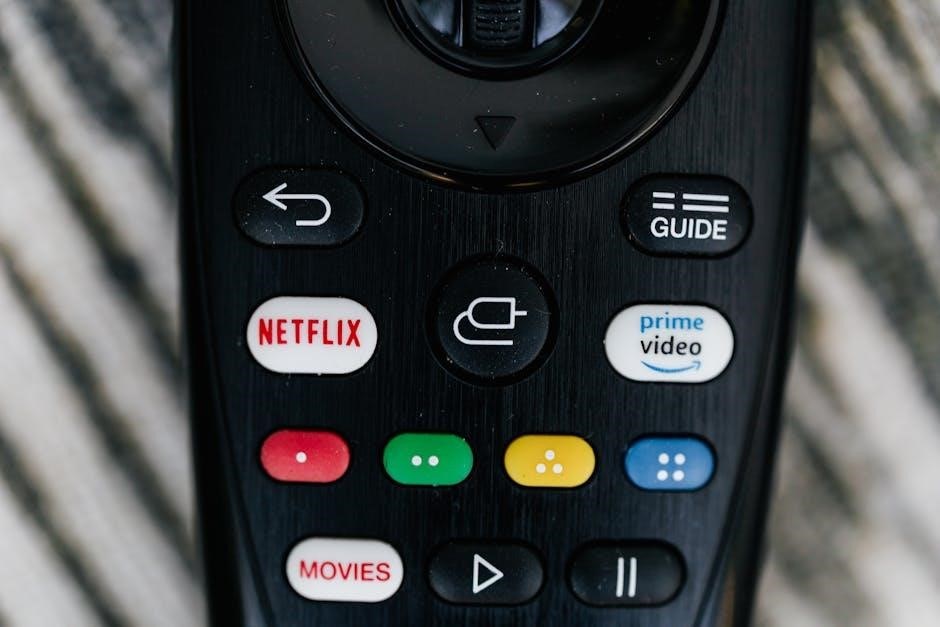
Navigating a Japanese television remote can initially seem daunting, particularly due to the presence of Kanji characters. However, understanding basic functionality is key to accessing desired content. Resources like the GaijinPot Study’s Kanji cheat sheet can be incredibly helpful for deciphering common buttons.
Channel numbers generally follow a logical sequence, though specific allocations vary by region and provider. Familiarizing yourself with the major networks – NHK, Nippon TV, TBS, Fuji TV, TV Asahi, and TV Tokyo – is a good starting point.
Beyond simple channel selection, remotes offer features like program guides, volume control, and input switching, enhancing the viewing experience.
Resources for English Speakers
English speakers can utilize Reddit communities like r/LearnJapanese and r/japanlife, alongside GaijinPot’s Kanji cheat sheet, and streaming services for access.
GaijinPot Study: Kanji Cheat Sheet for Remotes
For those venturing into the world of Japanese television, understanding the characters on your remote control is surprisingly helpful! GaijinPot Study offers a valuable “Kanji Cheat Sheet” specifically designed to decode the buttons on a typical Japanese TV remote.
This resource breaks down common kanji found on power, volume, channel, and menu buttons, easing the initial confusion. It’s a small step, but it significantly improves usability and reduces frustration when navigating channels.
Beyond simply translating the characters, the cheat sheet provides context, helping you remember which kanji corresponds to which function. It’s a practical tool for anyone aiming to independently enjoy Japanese TV programming and enhance their overall viewing experience.
Ultimately, it empowers viewers to take control and fully immerse themselves in the content.
Reddit Communities (r/LearnJapanese, r/japanlife)
Reddit provides vibrant communities for navigating Japanese TV. r/LearnJapanese users frequently discuss suitable shows for language learning, seeking recommendations for programs with clear speech and engaging content. They often share tips on utilizing TV for immersion.
Meanwhile, r/japanlife offers insights into the structure of Japanese TV programming. Discussions reveal the time-based nature of scheduling – news in the mornings, dramas during the day – mirroring similar patterns in US television, but with fewer channels.
These forums are excellent resources for finding specific channel schedules and receiving advice from fellow viewers. Users debate the merits of TV versus YouTube, with some preferring TV’s broader appeal for genuine immersion.
Both subreddits foster a collaborative environment for exploring Japanese television.
Online Streaming Services with Japanese Channels
While specific details regarding streaming services offering comprehensive Japanese TV channel lineups are evolving, several platforms provide access to Japanese content. Many services now include Japanese dramas (dorama) and anime, catering to a growing international audience.
However, accessing live Japanese television channels through streaming can be more complex, often requiring region-specific subscriptions or VPNs. Some services offer select channels as part of broader international packages.
The convenience of streaming contrasts with traditional TV viewing, as noted in Reddit discussions where users weigh the benefits of YouTube’s vast content library against TV’s general audience programming.
Exploring these platforms offers a flexible way to engage with Japanese television, supplementing traditional program guides.

Tips for Immersion & Learning
Japanese TV provides valuable language practice and cultural insight, surpassing YouTube for general immersion, as Reddit users suggest, aiding comprehension and vocabulary growth effectively.
Using TV for Language Learning
Watching Japanese television is a remarkably effective method for language acquisition, offering exposure to natural speech patterns and colloquialisms often absent in textbooks. Unlike curated learning materials, TV presents language within a cultural context, enhancing comprehension and retention.
Beginners can start with programs featuring simpler dialogue, gradually progressing to more complex content. Utilizing a kanji cheat sheet, like those offered by GaijinPot Study, can aid in understanding on-screen text and remote controls.
Focus on listening for familiar words and phrases, and don’t be afraid to pause and rewind. The variety of programs – news, dramas, variety shows – provides diverse linguistic input, accelerating your learning journey.
Immersion through TV fosters a deeper understanding of Japanese culture alongside language skills.
Benefits of Watching General Audience TV
Compared to the highly specialized content found on platforms like YouTube, Japanese television caters to a broader demographic, offering a more representative sample of everyday language. This wider appeal, as noted in Reddit discussions (r/japanlife), provides invaluable immersion for learners.
General audience programming exposes viewers to a diverse range of topics and speaking styles, mirroring real-life conversations. This contrasts with niche YouTube channels that often focus on specific interests or target audiences.
The structured scheduling – news in the morning, dramas midday – provides predictable viewing opportunities and reinforces cultural norms.
Furthermore, watching mainstream TV enhances cultural understanding, offering insights into Japanese society and values beyond what’s readily available online.
Comparing TV to YouTube Content
While YouTube offers convenience and a vast library of Japanese content, traditional television provides a different learning experience. As highlighted on Reddit (r/LearnJapanese), YouTube’s abundance can be overwhelming, catering to very specific tastes.
Japanese TV, conversely, aims for a general audience, presenting a more balanced linguistic landscape. This broader scope aids immersion by exposing learners to everyday language and cultural references not always found on YouTube.
YouTube’s algorithm-driven recommendations can create echo chambers, while TV schedules offer a curated, albeit structured, viewing experience.
Ultimately, both platforms have merit, but TV’s wider reach and cultural context offer unique benefits for those seeking comprehensive language acquisition and cultural understanding.

Future Trends in Japanese TV
Streaming services are rapidly changing viewing habits in Japan, presenting both challenges and opportunities for traditional networks and program guide accessibility.
The Rise of Streaming Services
Japanese television is experiencing a significant shift with the increasing popularity of streaming platforms. While traditional networks like NHK, Nippon TV, and others maintain a strong presence, services offering on-demand content are gaining traction among viewers.
This trend impacts how people access program information. Traditional TV guides, both print and digital, are becoming less central as viewers turn to streaming service interfaces for discovery. However, the sheer volume of content on platforms like YouTube – mentioned in Reddit discussions – can be overwhelming, contrasting with the more curated experience of traditional TV.
The rise of streaming necessitates adapting program guide strategies, potentially integrating streaming content listings alongside broadcast schedules to provide a comprehensive overview for viewers.
Changes in Viewing Habits
Traditional Japanese TV viewing is characterized by time-based programming blocks – news in the morning, dramas midday, mirroring patterns seen in US broadcast TV, as noted on Reddit. However, this is evolving.
The convenience of platforms like YouTube is attracting viewers, offering a vast library tailored to specific interests. Conversely, some prefer TV’s broader appeal, aiding immersion for language learners, as highlighted in online discussions.
This shift suggests a fragmentation of viewership. While scheduled programming retains relevance, particularly for live events like the AFC U-20 Asian Cup, on-demand viewing is growing. Understanding these changes is vital for both networks and those seeking to navigate the Japanese TV landscape effectively.