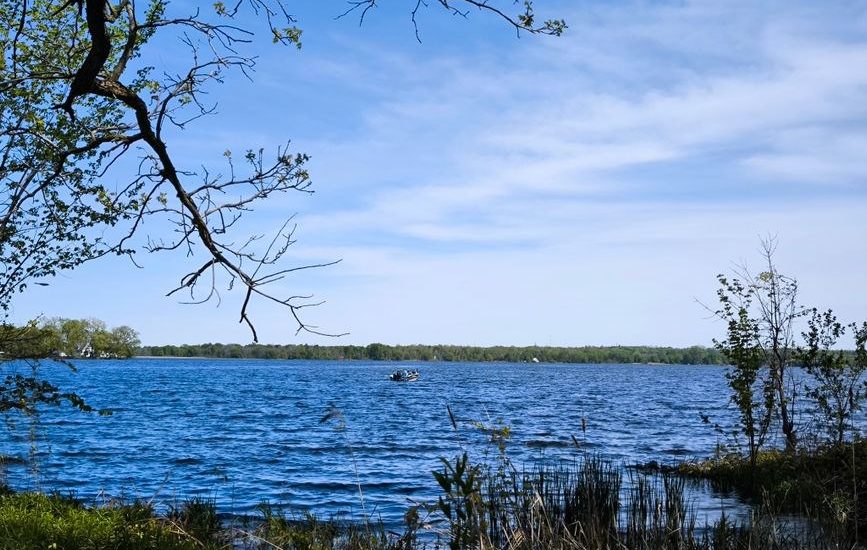
Lake Grenada offers abundant crappie, attracting anglers with its clear waters, diverse habitats, and year‑round fishing opportunities․ Local guides provide expert insight, enhancing every outing․ for all anglers․!
Lake Grenada stands out as a premier crappie destination for several compelling reasons․ Its expansive 12,000‑acre surface area, combined with a depth profile that ranges from shallow shoals to deep, sandy flats, creates ideal spawning and feeding grounds․ The lake’s water clarity, often exceeding 8 feet, allows crappie to detect subtle movements, while the abundant aquatic vegetation—bulrush, cattail, and submerged grasses—provides cover and a rich food web of insects and small fish․ Seasonal temperature shifts from early spring to late fall trigger predictable spawning runs, and the lake’s consistent flow from the surrounding watershed ensures a steady supply of nutrients․ Local guides, well‑versed in these dynamics, can pinpoint the most productive spots, whether it’s the sandy bottom near the dam, the weed‑filled coves, or the rocky outcrops along the shoreline․ Their expertise guarantees crappie fishing all
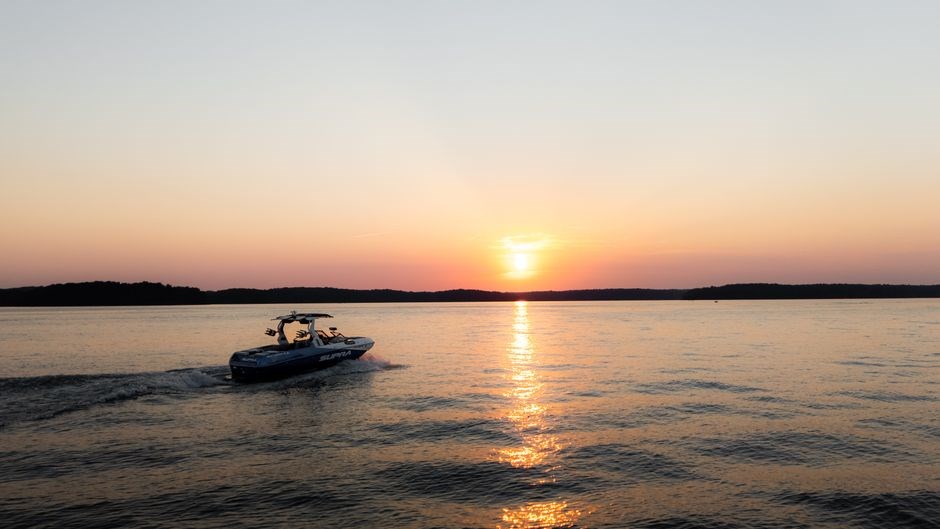
Lake Grenada Crappie Habitat Overview
Crappie thrive in Lake Grenada’s varied depths, from shallow weed beds to deep sandy flats․ The lake’s clear water and abundant vegetation create ideal spawning and feeding zones, attracting anglers year‑round․!!??
Crappie spawning in Lake Grenada is concentrated in specific zones where water temperature, substrate, and cover align․ The most productive areas are the shallow (0‑4 ft) weed beds along the northern and eastern shorelines, where emergent vegetation provides both protection and a buffet of insects․ Deeper pockets (5‑12 ft) near the lake’s central basin, especially around submerged logs and rock outcrops, also attract spawning pairs․ Anglers should target these spots during early spring when water temperatures rise to 55‑60°F, as crappie move from deeper winter refuges to shallower spawning grounds․ The combination of moderate currents and abundant food sources in these zones creates optimal conditions for egg deposition and fry survival․ By focusing on these key habitats, guides can maximize catch rates and help anglers understand the lake’s spawning dynamics․ Experienced guides use sonar mapping and local knowledge to pinpoint spawning pockets, letting anglers focus effort and boost harvest chances during peak spawning season, with patience for best results! for all!!
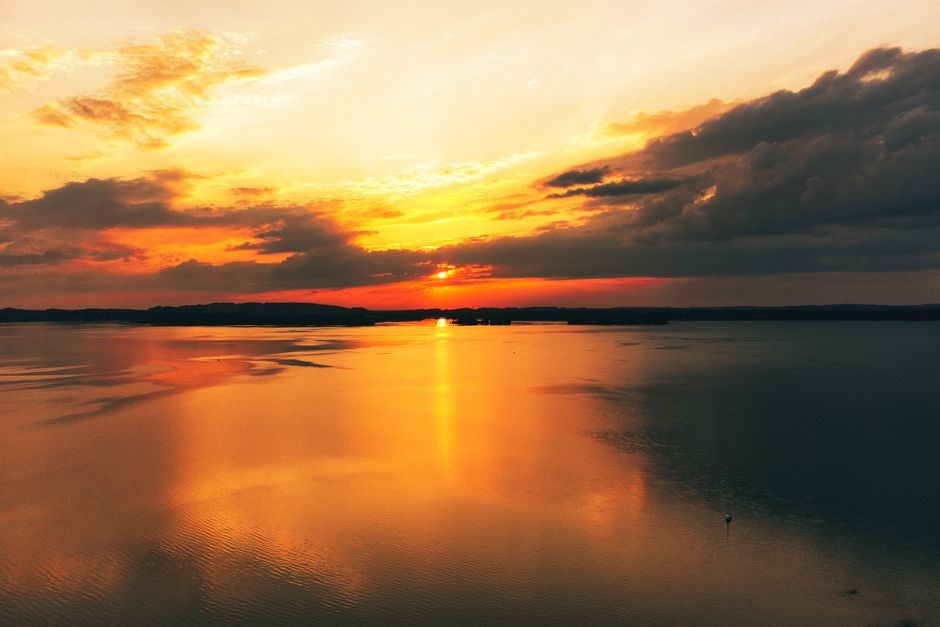
Seasonal Crappie Behavior Patterns
Guides note crappie shift from deep winter refuges to shallow spawning beds as temperatures rise, then retreat to deeper zones, creating predict seasonal patterns today!!
Best Months and Times for Crappie Fishing
Anglers seeking peak crappie action on Lake Grenada should focus on late spring through early fall, with the most productive windows falling between April and June and again from September to October․ During these periods, water temperatures rise from the mid‑40s to the low 70s Fahrenheit, prompting crappie to move into shallow, vegetated bays and coves where they feed aggressively on baitfish and insects․ Early mornings, especially around sunrise, and late afternoons, just before sunset, are prime times because fish are most active during the cooler parts of the day․ Night fishing can also yield success, as crappie often patrol deeper channels after dark․ Local guides recommend adjusting tackle to match the seasonal shift: lighter lines in spring to catch the smaller, more wary fish, and heavier gear in late summer when crappie grow larger and become more selective․ By aligning trips with these seasonal cues, anglers can maximize their chances of landing trophy‑sized crappie while respecting the lake’s natural rhythms․ Enjoy responsibly․
Essential Fishing Techniques for Crappie
Master float, bottom, and swimbait methods; Use light lines, slow retrieve, and target shallow bays․ Adjust gear for water clarity and crappie behavior․ extra tips
Float Fishing, Bottom Fishing, and Swimbait Methods
Float fishing on Lake Grenada hinges on a light 2‑lb line, a small 1‑inch float, and a slow, steady retrieve of soft plastic minnows or live worms․ Position the float near the shoreline or in shallow coves where crappie congregate during early morning and late evening․ Bottom fishing requires a heavier line, a 4‑lb test, and a weighted jig or crankbait that settles on the sandy or gravelly bottom․ Cast near submerged structures, then let the lure drift with the current before a gentle lift․ Swimbait methods combine the finesse of a live bait with the versatility of a plastic lure․ Use a 2‑lb line and a 1‑inch float, rig a soft plastic swimbait on a hook, and retrieve it with a series of short, quick jerks followed by a pause to mimic a wounded fish․ Adjust the depth by altering the float height or the weight of the lure․ In all three techniques, pay close attention to water temperature, clarity, and the presence of baitfish schools, as these factors dictate crappie feeding patterns․ Local guides recommend varying the speed of the retrieve to match the fish’s activity level, they often suggest using a combination of methods within a single outing to maximize success․ By mastering these methods, anglers can effectively target crappie across the diverse habitats of Lake Grenada, ensuring a productive and enjoyable fishing experience․
Recommended Gear and Equipment
Choose a 6‑ft, 7‑lb test rod, a spinning reel with 200‑300 rpm, and 2‑lb line․ Use hooks, soft‑plastic swimbaits, and a 1‑inch float․ Carry lures a cooler and a fish finder․ !!!
Rod, Reel, and Line Specifications for Crappie
For Lake Grenada crappie fishing, a lightweight, medium‑power rod (6‑7 ft) with a fast action tip allows precise feel for subtle bites․ Pair it with a durable spinning reel in the 200–300 rpm range, featuring a smooth drag system to handle sudden pulls․ Use a 2‑lb monofilament or braided line; monofilament offers a softer feel while braid provides higher strength and less stretch․ A 12‑inch leader is ideal for clear water, reducing line visibility․ Attach a 1‑inch float for surface fishing or a small bobber for deeper casts․ Include a set of 1/0 to 2/0 hooks, and a selection of soft‑plastic swimbaits or live minnows․ Keep the gear clean and inspect for wear before each trip․ This setup balances sensitivity, durability, and cost, ensuring a successful crappie outing on Lake Grenada․ Additionally, using a 12‑inch leader with a 1‑inch float allows you to target crappie near the surface during early morning or late evening hours, when they feed aggressively on minnows and small baitfish․ This combination of gear technique maximizes your chances of rewarding a day on Lake Grenada․
Bait and Lure Selection
Crappie thrive on live minnows, wax worms, and soft‑plastic swimbaits․ In Lake Grenada, use bright colors like chartreuse or orange, and match size to water depth for best results!
Live Bait vs․ Artificial Lures: What Works Best?
Choosing the right bait for Lake Grenada crappie can make the difference between a quiet day and a full boat․ Live minnows remain the king of the lake’s shallow shoals; their natural scent and erratic movement trigger instinctive strikes․ For anglers who prefer a low‑maintenance option, soft‑plastic swimbaits in chartreuse or orange mimic the minnows’ silhouette and are especially effective during the early morning and late afternoon when water temperatures dip․ A small, slow‑rolling spinnerbait can also entice crappie that are feeding near submerged timber․ When fishing deeper, a weighted jig with a bright lure head can reach the fish’s preferred depth while still presenting a realistic profile․ Many local guides recommend a hybrid approach: start with live bait to gauge activity, then switch to a lure that matches the observed movement․ This strategy maximizes catch potential while respecting the lake’s natural balance․ Always check local regulations for bait restrictions and handle each catch with care to preserve the fish’s quality․ Respect the lake’s balance․ always․ Happy fishing!
Tackle Setup and Casting Strategies
Use a 7‑ft, 4‑lb line, 6‑in jig head․ Cast beyond first drop, let lure settle, retrieve slowly․ Keep casts tight, avoid tangles․ Adjust angle to wind․ Practice precision!
Mastering the cast is essential for Lake Grenada crappie success․ Begin with a smooth, two‑step wind‑up, keeping the rod tip high to avoid snags․ Use a 7‑ft rod, 4‑lb line, and a 6‑in jig head; this combo offers enough power for deep casts yet stays light enough for subtle presentations․ Aim to cast beyond the first drop, allowing the lure to settle in the desired depth․ A gentle, controlled retrieve—about 1–2 feet per second—keeps the crappie intrigued․ When the wind shifts, adjust the rod angle to maintain a steady line․ Keep the line taut, but avoid over‑tightening, which can break the rod․ Practice a “toss‑and‑tug” technique: a quick toss followed by a slight tug to mimic a wounded baitfish․ This motion is highly effective in attracting crappie․ Try a slow‑roll cast over shallow flats for subtle presentations․ Finally, now! check for obstructions before casting and use a weighted fly line if targeting deeper spots․ Consistent practice and attention to detail will refine your casting, ensuring more strikes and a better overall experience on Lake Grenada․
Safety, Regulations, and Ethical Fishing Practices
Follow Lake Grenada rules, carry a valid license, respect catch limits, practice catch‑and‑release when possible․ Wear a life jacket on small boats, keep a first‑aid kit avoid overcrowding to protect habitat․
Lake Grenada Fishing Rules and Catch Limits
Lake Grenada enforces specific regulations to preserve crappie populations and ensure sustainable angling․ Anglers must hold a valid Arkansas fishing license and adhere to the state’s daily bag limits: 10 crappie per person, with a maximum of 5 per boat․ The minimum legal size is 8 inches, and any fish below this threshold must be released immediately․ Seasonal restrictions apply; during the spawning period (mid‑April to mid‑May), a temporary 5‑fish limit is enforced to protect breeding stock․ All fishing methods—bait, lures, or nets—must comply with local ordinances; no live bait is allowed in the designated conservation zones․ Anglers are encouraged to practice catch‑and‑release, using barbless hooks and handling fish gently to reduce stress․ Proper disposal of fishing line and gear is mandatory to prevent habitat damage․ Lake fun now․ By following these rules, anglers help maintain healthy crappie populations and protect Lake Grenada’s ecological balance for future generations․ Enjoy the calm waters, and remember to respect the lake’s delicate ecosystem for lasting enjoyment․ Now
Post-Catch Care and Storage
Handle crappie gently, remove hooks with care, and keep fish cool in a shaded cooler․ Fillet promptly, rinse in clean water, and store in airtight containers or vacuum‑seal bags to preserve freshness and chill!
After reeling in a crappie, place the fish in a cooler with ice and a splash of clean water to keep it fresh․ Handle it gently, using a hook remover or pliers to avoid damaging the delicate flesh․ Once the hook is out, rinse the fish in cold water, removing slime or debris․ Clean the fish by cutting along the belly to expose the cavity, then remove entrails with a spoon․ Rinse the cavity, cut fillets by slicing along the backbone, keeping fillets attached to the rib cage for easier handling․ Store fillets in a sealed plastic bag or airtight container in the refrigerator; for longer storage, vacuum‑seal and freeze at 0°F․ When ready to cook, thaw slowly in the refrigerator or under cold running water․ Marinate briefly in lemon juice, salt, and pepper before cooking․ Store leftovers in a sealed container and consume within 48 hours․ Follow local regulations on storage temperatures and handling practices to maintain quality․ Keep them chilled until serving for best flavor․ OK! Enjoy!!!
Local Guides and Resources
Lake Grenada’s top crappie guides offer expert tips, local knowledge, and boat rentals․ Check community forums, fishing clubs, and state wildlife sites for updates, regulations, and seasonal hotspots․ Enjoy! 2024
Top Guide Services and Community Tips for Lake Grenada
Lake Grenada’s premier crappie guides blend local expertise with a passion for angling․ Services range from guided day trips to overnight charters, each tailored to skill level and desired experience․ The most reputable operators—such as Grenada Anglers, Lakeview Outfitters, and Southern Bass Co—offer crew, modern boats, and mapping of spawning grounds; Community tips emphasize early‑morning launches, when water temperatures are cooler and crappie feed near shallow edges․ Using a light 6‑lb test line with a 2‑inch jig or a small swimbait can increase hook‑in rates․ Many guides recommend a “crack‑the‑water” approach: bait the surface with live minnows or a bright spinner to locate shoals, then transition to rigs near submerged timber․ Finally, care is vital—cool the fish promptly, remove head, store in a cooler to preserve quality․ By partnering with a trusted guide and following these strategies, anglers can maximize both catch and conservation on Lake Grenada and fish․ and enjoy a memorable day by the lake․!!
and Final Tips
Remember to respect Lake Grenada’s rules, use local guides for up‑to‑date knowledge, and keep water clean․ Pack light, stay safe, and enjoy every crappie moment! Keep fish healthy․
Recap of Key Strategies for a Successful Lake Grenada Crappie Experience
Lake Grenada’s crappie scene is a blend of clear waters, varied structures, and seasoned anglers․ The best strategy starts with timing: early morning and late evening bring the most action․ Use a light rod and a 6‑lb line to feel subtle bites․ A simple swimbait or a soft plastic worm in natural colors often wins․ Keep your bait moist and your presentation slow․ When you catch a fish, handle it gently and return it quickly to maintain the lake’s healthy population․ Always check local regulations before you head out․ A local guide can point you to the most productive spots and share the latest weather‑related shifts․ Remember to pack a cooler, bring plenty of water, and respect the shoreline․ Happy fishing!
Bring a reliable GPS or lake map; depth contours help locate structure․ Check weather forecasts to avoid storms․ Carry a first‑aid kit, sunscreen, and a hat․ Respect wildlife by keeping noise low and disposing trash properly․ Enjoy serene mornings, thrill of the catch, and share stories with fellow anglers to keep the community thriving․ Remember to respect the lake’s natural beauty!