

Overview of Michigan Fireworks Law 2024
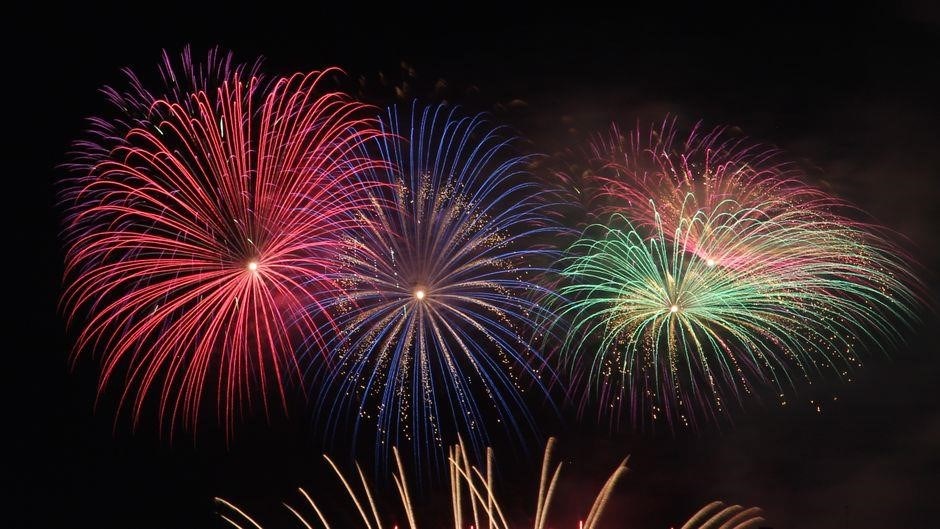
The 2024 Michigan fireworks statute establishes a clear hierarchy of permissible pyrotechnics, delineating consumer, professional, and prohibited items. It outlines licensing, age restrictions, and safe usage guidelines, aiming to protect public safety while preserving celebratory traditions.for all.!
Legislative Framework and Purpose
The Michigan Fireworks Law of 2024 codifies a comprehensive regulatory scheme that balances the cultural significance of pyrotechnic displays with stringent mandates. At its core, the legislation establishes a tiered classification system—consumer, professional, and prohibited—each governed by distinct licensing, age, and usage parameters. The law’s purpose is to mitigate risks associated with fireworks by setting clear standards for manufacturing, sale, transport, storage, and ignition. It mandates that all consumer fireworks be sold only to individuals 18 years or older, and requires retailers to hold a valid state license, complete safety training, and maintain secure storage facilities. The statute also imposes strict shipping restrictions, prohibiting the delivery of prohibited items to any Michigan address without a licensed distributor. By codifying these measures, the law seeks to reduce accidental injuries, property damage, and fire hazards while preserving the celebratory spirit of community events; Enforcement provisions empower local authorities to conduct inspections, issue citations, and pursue civil or criminal penalties for non‑compliance. The 2024 update further tightens penalties for repeat offenders and clarifies the definition of “public display” to include any event held within a 500‑meter radius of a populated area. Overall, the legislative framework underscores Michigan’s commitment to public safety without stifling the tradition of fireworks enjoyment.

Firework Definitions and Classifications
Michigan’s 2024 law classifies fireworks as consumer, professional, or prohibited. Consumer items sold to 18+ adults must be stored safely and used only at approved sites. Professionals need a licensed permit for displays. Prohibited fireworks, like large aerials, are banned for private use carefully
Consumer, Professional, and Prohibited Categories
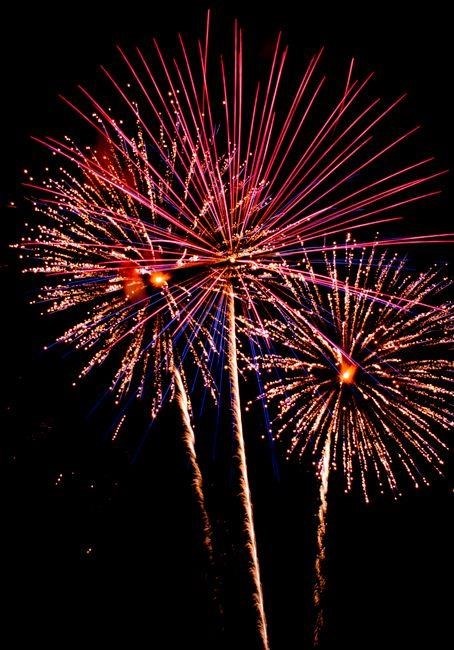
In Michigan, the 2024 fireworks statute codifies three distinct categories—consumer, professional, and prohibited—each with its own licensing, age, and usage parameters. Consumer fireworks are defined as pyrotechnic devices that can be purchased by individuals 18 years or older and are intended for private, non‑commercial use. These items must be sold only to adults, stored in a secure, ventilated location, and used exclusively within the confines of a licensed or approved display site. The law prohibits the sale of consumer fireworks to minors and mandates that retailers display a conspicuous age‑verification sign. The law’s tiered structure aims to balance public enjoyment with stringent safety measures, ensuring that fireworks remain a controlled, responsible part of Michigan’s cultural celebrations. Professional fireworks encompass devices that produce large, high‑altitude effects or are used in public displays. Operators of professional fireworks must obtain a state license, complete a safety training course, and submit a detailed display plan to the Michigan Department of Safety. The license also requires proof of liability insurance and adherence to a strict set of firing protocols. Prohibited fireworks include any device that is capable of producing a projectile exceeding 200 feet, any device containing a high‑explosive charge, or any item that can be detonated by a remote trigger. These items are banned for private possession and are reserved exclusively for licensed military or law‑enforcement use. Violations of the prohibited category can result in immediate confiscation, civil penalties, and potential criminal charges. The statute’s tiered structure aims to balance public enjoyment with stringent safety measures, ensuring that fireworks remain a controlled, responsible part of Michigan’s cultural celebrations.
Purchase, Transportation, and Storage Regulations
Consumers may purchase fireworks only from licensed retailers, must be 18+, and keep receipts. Transport requires a sealed, upright container, no ignition source, and must not be loaded in passenger vehicles; Storage must be dry, ventilated, away from flammable materials, and secured and follow safety.
Retail Eligibility, Shipping Restrictions, and Home Storage Rules
Retailers must hold a state‑issued fireworks license, maintain a dedicated storage area, and display a valid license sign. Only individuals aged 18 or older may purchase consumer fireworks; proof of age is required at point of sale. Shipping is prohibited to any address within Michigan; the state prohibits any interstate shipment of fireworks to Michigan residents. Fireworks may only be shipped to licensed retailers or to a person who has a valid Michigan fireworks license and a documented storage facility. Home storage must be in a dry, ventilated, non‑flammable area, kept out of reach of children and pets, and stored in a locked container. The container must be labeled with “Fireworks” and “Keep Out of Reach of Children.” The storage area must be at least 10 feet from any building or structure, and the container must not be placed in a garage, attic, or basement that is prone to heat buildup. Fireworks may not be stored in a vehicle, and any container used for storage must be sealed and secured. Failure to comply with these storage requirements can result in fines, revocation of the license, and potential criminal charges under Michigan’s fireworks statutes. Compliance with these regulations is enforced by the Michigan Department of State Police and local fire departments. Retailers must submit annual inventory reports and undergo random inspections. Violators may face civil penalties, license suspension or criminal prosecution. Homeowners are encouraged to keep a fire extinguisher nearby and to notify neighbors of planned displays. The law also mandates that fireworks be used only during daylight hours on designated holidays, and that no fireworks be launched within 500 feet of any building, vehicle, or occupied structure. Failure to observe these distance requirements can result in serious injury or property damage. The statute provides for a tiered penalty system: a first offense may incur a $500 fine, a second offense a $1,000 fine and a one‑year suspension, and a third offense could lead to a $2,500 fine and a permanent revocation of the license. The law also allows for civil suits by affected parties, and mandates that all fireworks be stored in a locked, ventilated container that is clearly labeled. In addition, the statute requires that any fireworks purchased from a retailer be kept in a secure location until the day of use, and that the purchaser sign a liability waiver acknowledging the risks involved. These provisions aim to reduce accidental injuries, protect property, and keep fireworks celebrations safe and enjoyable for Michigan residents for all ages and families

Firing Conditions and Public Safety Guidelines
Fireworks may only be launched outdoors, 500 ft from structures, during daylight on designated holidays. Use a safe backdrop, keep a fire extinguisher nearby, and avoid windy conditions. Only licensed professionals may fire beyond consumer limits. All events must be reported to local authorities!!!
Permitted Locations, Timing, and Protective Measures
Fireworks are allowed only in open, unobstructed outdoor areas that are at least 500 feet from any building, vehicle, or occupied structure. The Michigan Fireworks Act specifies that launches must occur between 10 p.m. and 11 p.m. on July 4th, Independence Day, and between 9 p.m. and 11 p.m. on the Fourth of July and other designated holidays. No fireworks may be fired within 200 feet of a school, church, hospital, or any place of worship. The law requires a minimum safety zone of 100 feet in all directions from the launch site, with a 50‑foot clearance from the nearest person. Protective measures include the use of a fire extinguisher or a bucket of sand within 10 feet of the launch point, a fire‑resistant backdrop, and a clear line of sight to the sky. All participants must wear eye protection, and children under 12 are prohibited from handling or launching fireworks. The state mandates that a licensed professional oversee any display that exceeds consumer‑grade fireworks, and that the event be reported to local law enforcement at least 24 hours in advance. Failure to comply with these location, timing, and protective requirements can result in fines, revocation of licenses, and criminal charges. All launch sites must be cleared of debris, flammable materials, and any obstructions that could interfere with a safe trajectory. The Michigan Fireworks Act requires a 100‑foot radius around the launch point to be free of trees, power lines, or other hazards that could catch fire or cause injury. During a display, a licensed safety officer must be present to monitor wind conditions, ensure compliance with the 100‑foot clearance, and be prepared to extinguish any accidental fires with a portable fire extinguisher or a bucket of sand. If a display is held in a residential area, the event must be scheduled at least one hour before sunset to avoid excessive noise and light pollution, and a 30‑minute warning must be posted on local community boards. The Michigan Fireworks Act also requires that all fireworks be stored in a dry, well‑ventilated area, away from direct sunlight, and that containers be clearly labeled with the type of pyrotechnic and the expiration date. Violations of any of these provisions can trigger civil penalties, including civil fines up to $5,000 per incident, and may result in the revocation of any licenses held by the violator. In addition to civil penalties, criminal charges may be filed for reckless use of fireworks, resulting in potential imprisonment of up to one year and a fine of up to $10,000 for repeat offenders. The law also mandates that all fireworks displays be reported to the Michigan State Police within 24 hours of completion, providing details such as the number of devices used, the exact location, and any incidents that occurred. To assist consumers, the Michigan Department of Agriculture and Rural Development publishes a comprehensive guide outlining proper handling, storage, and disposal of fireworks, including a QR code system that links to real‑time safety alerts and a hotline for reporting suspicious or illegal pyrotechnic activity, ensuring that every citizen can participate responsibly while safeguarding public health and property. These comprehensive provisions collectively aim to balance the celebratory spirit of fireworks with the paramount importance of public safety, environmental stewardship, and community well‑being. Compliance with these rules is mandatory for all residents and businesses, ensuring that Michigan remains a safe and responsible fireworks destination for generations to come. Public awareness campaigns will continue to educate citizens on safe practices and legal responsibilities!!
Penalties, Enforcement, and Legal Consequences
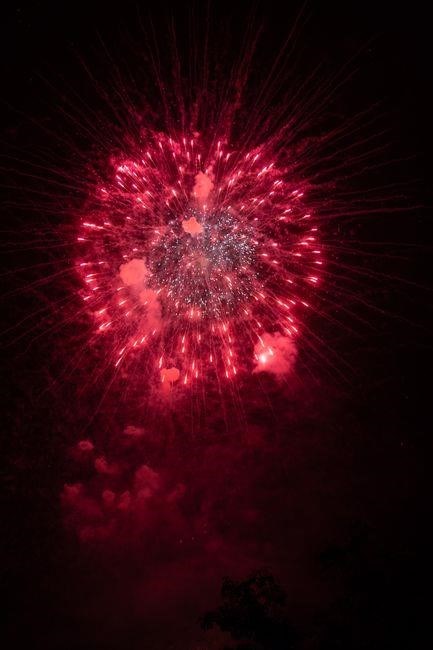
Violators face fines up to $5,000, license revocation, and possible jail terms. Repeat offenders may receive up to one year imprisonment and $10,000 fines. Enforcement is carried out by local police and Michigan State Police, who may issue citations or arrest. Repeat offenders must attend safety clas
Fines, Disqualifications, and Criminal Charges for Violations
Under Michigan’s 2024 fireworks law, any individual or entity found in violation of the statute may incur a range of penalties designed to deter unsafe practices. The primary monetary sanction is a fine that can reach up to $5,000 per violation, with the possibility of additional administrative fees for repeated offenses. For first‑time offenders, the court may impose a suspended sentence or mandatory community service, while repeat offenders face a $2,000 fine and a probation period.
Violation causes bodily injury or property damage may be charged with misdemeanor, carrying county the jail fine of $10,000.
In cases where the violation results in bodily injury or property damage, the offender may be charged with a misdemeanor, carrying up to one year in county jail and a fine of $10,000.
More severe incidents, such as the negligent use of a professional‑grade device that causes significant harm, can elevate the charge to a felony, potentially leading to a prison term of up to five years and a fine of $25,000.
Additionally, individuals who operate fireworks without the required license are disqualified from holding any future license for a period of five years, and their commercial permits may be revoked.
The law also allows for civil liability, enabling victims to seek damages through the civil court system.
Enforcement is carried out by local police, the Michigan State Police, and the Department of Natural Resources, each empowered to issue citations, conduct investigations, and file criminal charges.
The statutes emphasize that the severity of the penalty is proportional to the degree of negligence, the extent of harm caused, and the offender’s prior record.
Safety first,!!
Recent Amendments and 2024 Updates
The 2024 update expands prohibited fireworks to all non‑commercial aerial devices, raises consumer minimum age to 18, and mandates safety training certificates for professional operators. Storage limits tighten, requiring fire‑proof containers for devices over 10 lb ensuring compliance with care
Key Changes Introduced in the Current Year
The 2024 revision also introduced a mandatory reporting system for all fireworks‑related incidents, requiring event organizers to submit a brief incident report within 48 hours of a display. A new digital licensing portal now allows retailers to renew permits online, streamlining compliance. The statute further mandates that all fireworks sold to consumers carry a safety label with clear usage instructions, and that any device containing more than 2 lb of propellant is classified as a high‑risk item subject to stricter storage and handling protocol

PDF Resources and How to Access Official Documents
To download the official Michigan Fireworks Law 2024 PDF, visit the Michigan Legislature website’s public statutes section. Use the search bar for “Fireworks” and click the PDF link. For guidance handbooks, access the Michigan Department of State’s PDF portal. Both files are free and downloadable.!!!
Downloading the Law Text and Related Guidance PDFs
To obtain the official Michigan Fireworks Law 2024, visit the Michigan Legislature’s website and navigate to the “Public Statutes” section. Use the search bar to enter “Fireworks” or the specific statute number, then click the PDF link to download the full law text. The file is freely available and includes all amendments up to 2024. For practical application, the Michigan Department of State hosts a companion PDF titled “Fireworks Safety and Compliance Guide.” This guide explains consumer, professional, and prohibited categories, age limits, storage requirements, and safe firing practices. Download it by selecting the “Guidance PDFs” tab on the same statutes page. Both documents are updated annually; keep the latest version to reflect any legislative changes. After downloading, save the PDFs to a secure folder and print hard copies if you need quick reference during event planning. The files contain hyperlinks to related statutes and contact details for licensing inquiries. If you encounter download issues, consult the state library’s online help center or call the legislative clerk’s office. Verify authenticity by checking the digital signature or the “Issued by Michigan Legislature” stamp on the first page. The PDFs also include a FAQ section that addresses common questions about permits, prohibited items, and public safety measures. Finally, the documents provide a table of prohibited items and a list of authorized vendors, helping consumers make informed choices. By following these steps, you ensure compliance with Michigan’s fireworks regulations and promote safe celebrations. The PDFs are also available in a compressed ZIP format for convenience.